




Environment Canada has released their list of the top 10 weather events in Canada, with a few notable prairie weather events making the list.
One of the events included in this year’s list was the storm that hit Western Canada on August 20th.
Environment Canada National Warning Preparedness Meteorologist Jennifer Smith says that the storm had devastating effects, with large hail just outside of Saskatoon.
“Hail reached the size of tennis balls before the storm finally dissipated. Later that evening, another cluster of severe storms struck Northern Saskatchewan. Near Langham, northwest of Saskatoon, hail the size of baseballs fell along with wind gusts reaching 155 kilometres per hour.”
The storm was called a “White Combine” by farmers due to the effects it had on crops.
Another event on the list was the drought that spread through much of the country. Conditions in Saskatchewan were drier through the northern grain belts and much of the southwest.
Smith says that even with a large amount of lakes and rivers in Canada, droughts can still be devastating.
“85 per cent of the country was abnormally dry or in drought, including three quarters of Canada’s agricultural land. These such impacts rippled across the country. Across the prairies, parched fields and depleted pastures forced municipalities to declare agricultural disasters. In a country defined by fresh water, 2025 was a stark reminder that even here drought can be a quiet hazard with big consequences.”
While there were dry conditions in parts of Western Canada, Atlantic Canada had the most serious droughts.
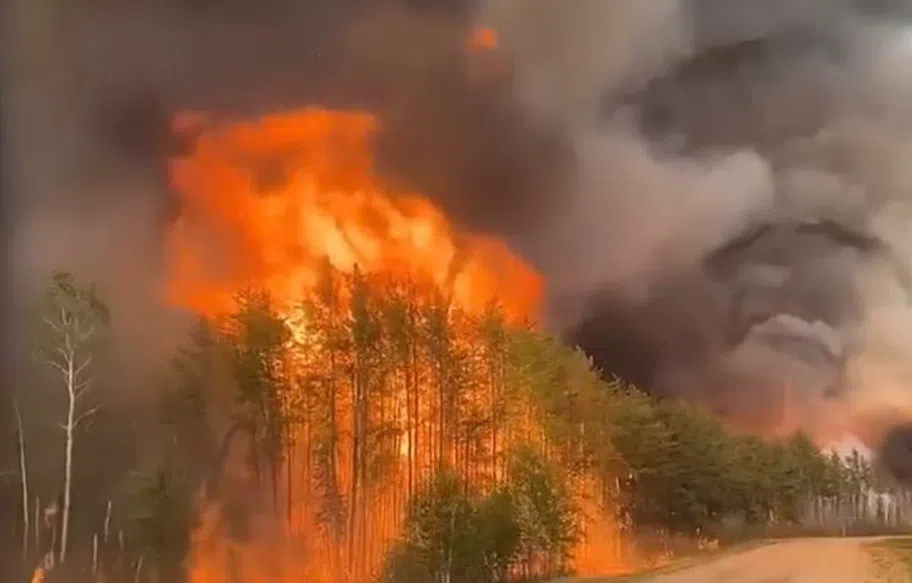
The number one weather event this year was the wildfires that devastated the country over the summer. This year’s fires were the second worst on record, with an estimated 8.9 million hectares burned.
Smith says the fires were particularly bad in the prairies.
“The season was shaped, not by a single extreme event, but by repeated hot, dry and sometimes windy weather, which drove fire activity in waves across the country. Nearly half the total burned occurred in Saskatchewan and Manitoba, where prolonged dryness supported some of the largest fires of the year. Across the country, communities felt the effects in different ways, through evacuations, disruptions, and extended periods of poor air quality.”
Smith says that smoke from the wildfires spread throughout the country and into the States.
Other weather events in the top ten included the record late summer heat in Western Canada, a powerful November storm in Newfoundland, an Arctic storm surge and a powerful Ontario thunderstorm.