




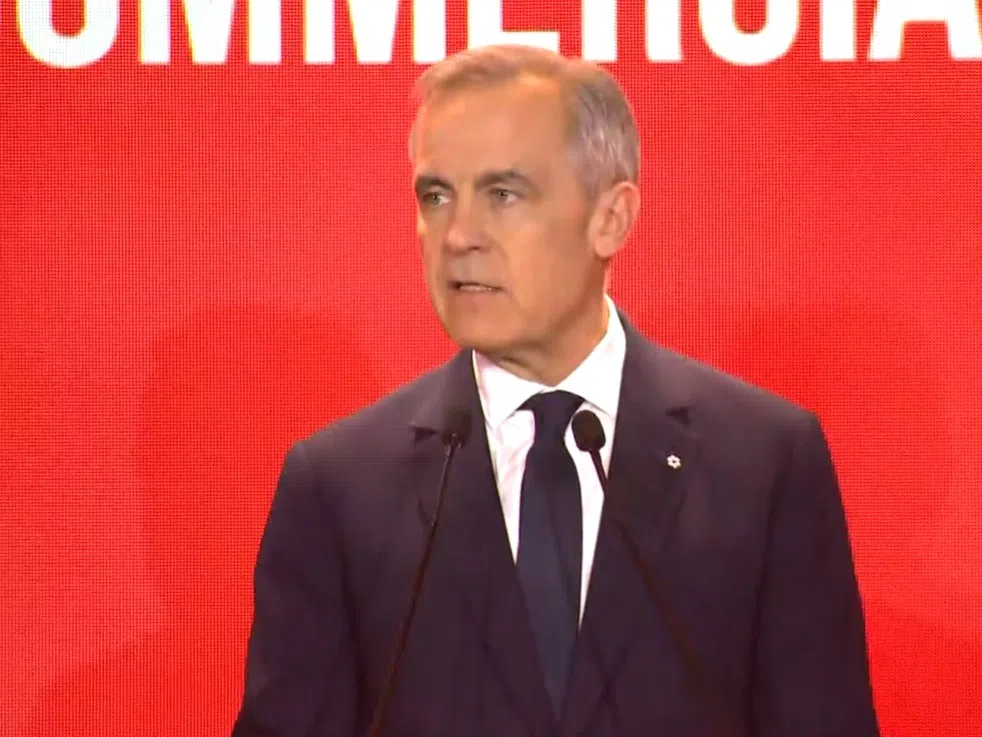
Using words like strategic and pragmatic, Prime Minister Mark Carney announced a new preliminary agreement in principle with China that focuses on five main areas that will provide immediate gains. Canada and China secured new memorandums of understanding around energy, combatting crime, cultural exchanges, wood products, and food safety and animal and plant health.
Of specific interest to the prairies, by March 1st, Canada expects that China will lower tariffs on Canadian canola seed to a combined rate of approximately 15 per cent. Carney says that is a significant drop from current combined tariff levels of approximately 85 per cent. He noted China is a $4 billion canola seed market for Canadian producers.
Carney says in the eight years since a Prime Minister has visited China the world has altered dramatically including the global trading system which is undergoing a fundamental change.
“Canada can thrive in a new system but to do so we must be ambitious. We must work at speed and scale to find new partners to diversify our trade and to attract unprecedent levels of investment in our country and we must be pragmatic. That means we must understand the differences between Canada and other countries and then focus our efforts to work together where we are aligned.”
The Prime Minister says the government also expects that Canadian canola meal, lobsters, crabs, and peas will not be subject to relevant anti-discrimination tariffs rom March 1st, until at least the end of this year. Prime Minister Carney says with this agreement it will see the resolution of many long-term trade obstacles on a range of agricultural sectors from beef to pet food and the Canadian government expects to increase exports in the sector by 50 per cent by 2030.
On the energy front Canada will allow up to 49,000 Chinese electric vehicles (EV) into the Canadian market, with the most-favoured-nation tariff rate of 6.1 per cent. That will correspond to volumes exported to Canada in the year prior to recent trade frictions. He forecasts that with the agreement on these imports in five years, more than 50 per cent of EVs will be considered affordable with an import price of less than $35,000.