




Although Canada’s annual inflation rate eased to 1.7 per cent in July, the country’s food inflation rate was up.
Sylvain Charlebois, an agri-food professor at Dalhousie University, says according to Statistics Canada, food inflation was up 3.4 per cent last month, up from 2.8 per cent in June. He adds that this uptick expanded the gap between inflation and food inflation to 1.6 per cent, which often raises profiteering accusations among the public.
“People don’t understand the black box that is the food industry. There’s a lot of things that go on there. Costs do go up. Tariffs will impact food affordability, but people will always choose the easiest thing to do, which is point fingers at companies that they believe are gouging consumers, and that is always incredibly misguided.”
He adds that when you look at the demographic who believe that greed is present and pushed food inflation higher, those are the same people who fail to realize how policy can push prices higher and impact competitiveness.
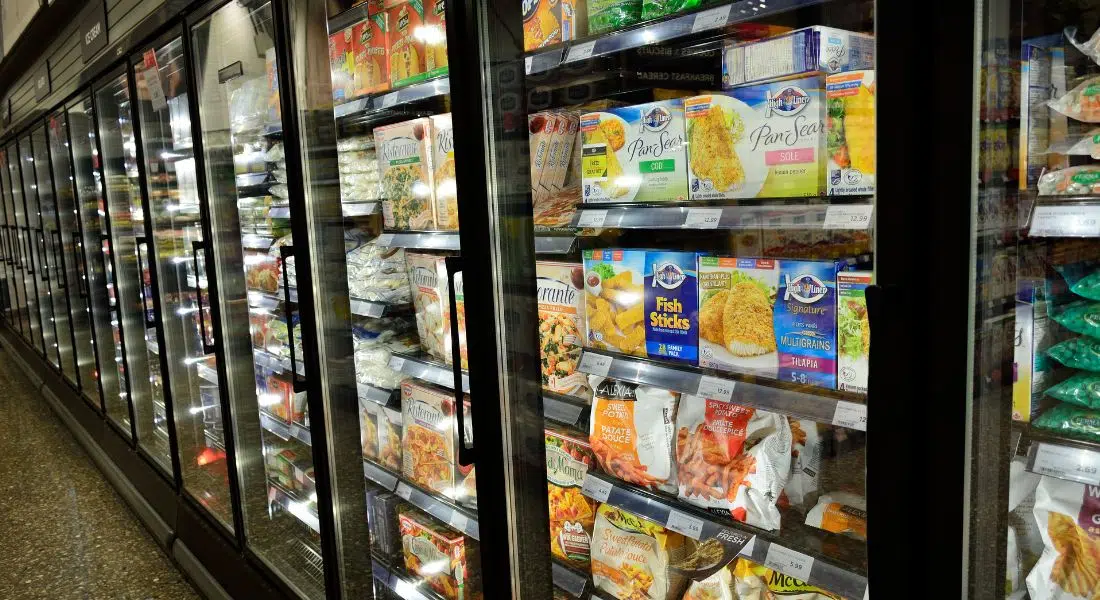
Some of the items that will ring in a little higher at the till include coffee, all pantry, dry, and prepackaged goods, the freezer aisle, the meat counter and fruits. For example, the price of fresh grapes was up almost 30 per cent, driving the cost for fresh fruit up 3.9 per cent in July from 2.1 per cent in June.
Outside of the grocery store, shelter inflation increased to three per cent last month from 2.9 per cent in June. This is the first uptick in that category since February of last year.
On the bright side, the cost of gas ticked down 0.7 per cent last month. StatsCan cites an increase in production from oil-exporting countries and a ceasefire in the conflict between Israel and Iran for the decline.