




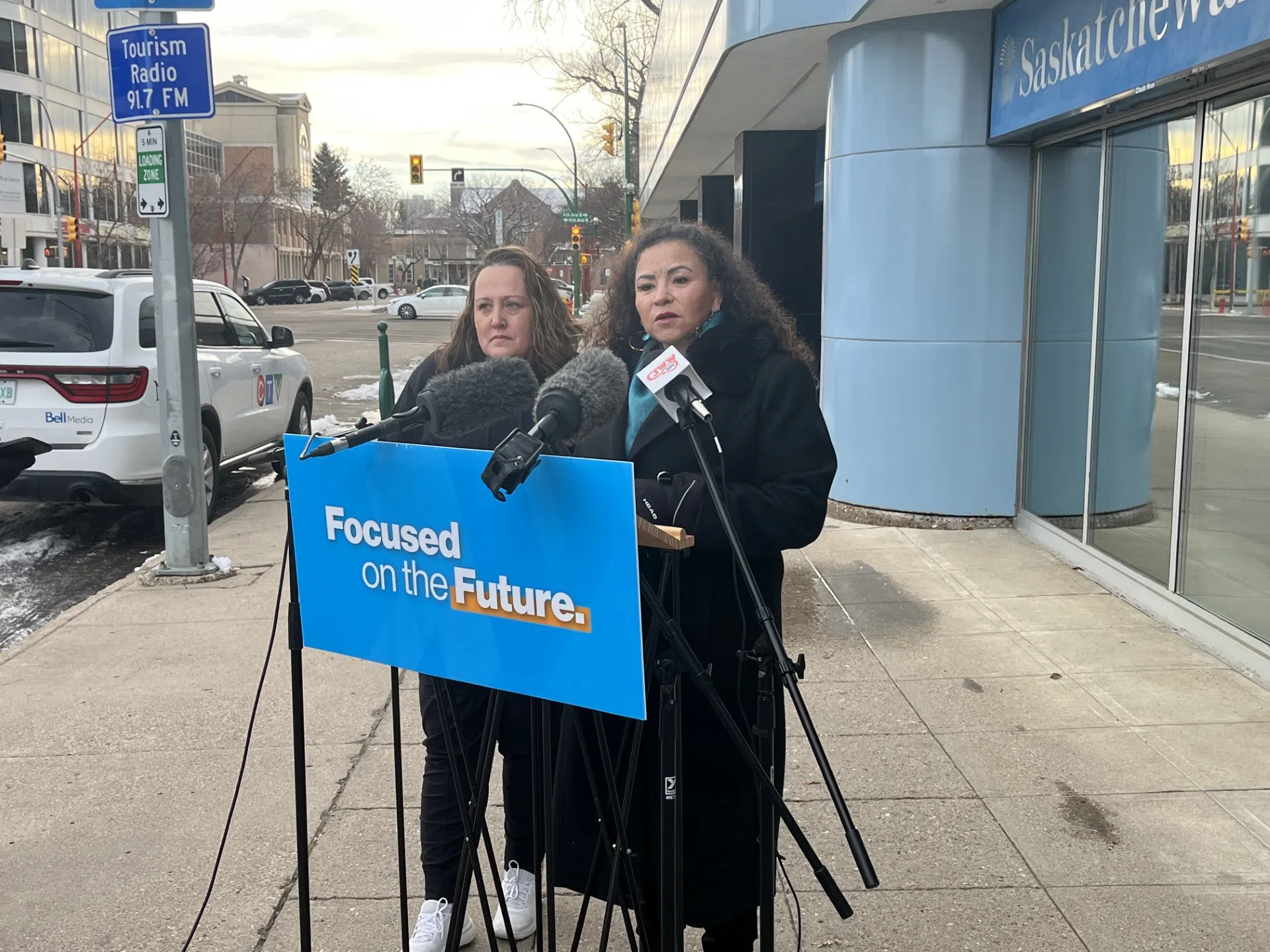
The Opposition NDP says the provincial government needs to take the overdose crisis more seriously.
This week, over 100 overdoses were recorded between Saskatoon and Regina, as well as two deaths, prompting drug alerts to be issued in both cities.
Mental Health & Addictions Critic Betti Nippi-Albright says over the course of the week, NDP MLAs questioned Minster of Mental Health and Addictions Lori Carr about the number of people waiting for addictions treatment in Saskatchewan. On Thursday during question period, Carr admitted that she didn’t know.
“She’s told reporters that some people seeking treatment apply to multiple facilities, and therefor she would be incapable of cross-referencing records and coming up with a number. That is just baloney.”
She adds that the Province is scrambling, but not acting fast enough, as at least 270 people have died of drug overdoses in Saskatchewan this year to end of October.
“Every drug alert that’s issued, you don’t hear a word from the government, and that speaks volumes.”
Chantel Huel sees the drug crisis firsthand working at Straight Up, a gang prevention and intervention organization in Saskatoon.
“The drugs are not the same. The drugs are going to continuously change. They’re going to get more toxic because we’re adding tranq, xylazine, benzos.”
She suggests that several barriers exist for people trying to access detox centres, which could be leading to the increase in overdoses.
“We know that when somebody goes into Detox, they have to make a phone call, and they have to do an intake. Then, we’re told to phone back every day at 11:00 a.m. Some of the barriers to that is Detox doesn’t pick up the phone, and I’m specifically talking about detox in Saskatoon.
This process also assumes that patients have access to a phone with cell service.
Nippi-Albright says the NDP’s solution would consist of a massive expansion of detox beds, sober-living homes, on-reserve treatment spaces, and incentivizing and recruiting more mental health professionals.