




Developers flocked to City Hall on Wednesday to attempt to sway Saskatoon’s Planning, Development, and Community Services Committee from what they claim would be a ‘regressive’ mistake.
On Wednesday, Administration suggested that several changes be made to the city’s housing infill policy, which would both incentivize more affordable housing in the city, but also shrink the area where the incentive programs would apply, taking it from a large area encompassing full neighborhoods to essentially the BRT corridors.
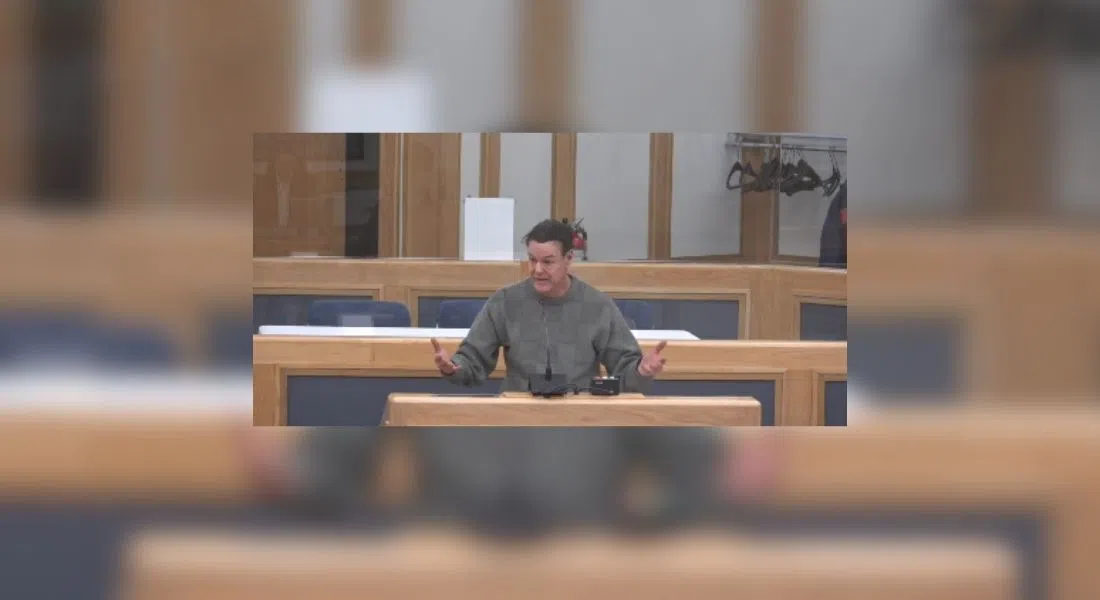
One speaker, Patrick Wolfe, discouraged this idea, saying incentives such as tax abatements are crucial for development all around the city, and they are often the determination between a building going up or not in most areas.
“From an infill development (perspective), it is so much more costly (to build infill housing) than in the suburbs. There are so many more costs, that it costs about five to ten times more. Even with a tax abatement, it is still more than in the suburbs,” he explained.
He suggested broadening the incentive area to include secondary corridors, business improvement districts and established neighbourhoods.
“On Victoria Avenue, you have the tax abatement offered on the east side but not the west side. Around Riversdale, a natural extension would be from Avenue C to the pensioner’s hall to put in mid-rise four, five, six storey buildings, and fill in where the other apartments are facing Spadina.”
In response, Councillor Zach Jeffries suggested Administration study an expansion of the incentive areas to include secondary corridors, business improvement districts and established neighbourhoods. This was approved by the rest of the committee.