



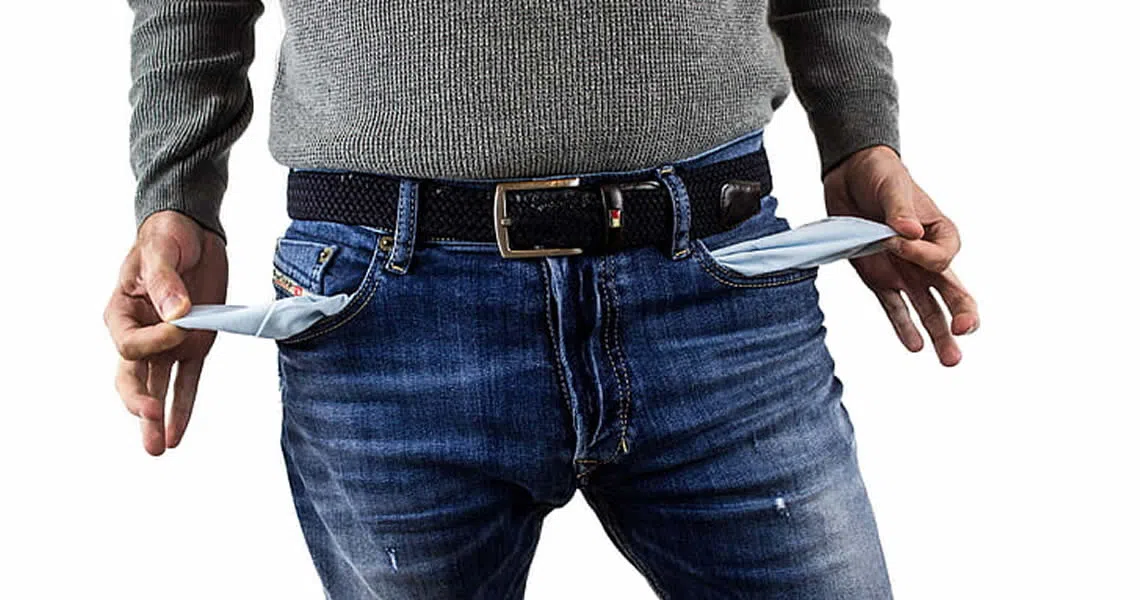
The latest MNP Consumer Debt Index finds that the proportion of Saskatchewan and Manitoba residents who report being insolvent, or unable to pay their monthly bills and debt repayments, sits at 31 per cent, the highest level recorded since September 2019. Forty-three per cent are not confident they will be able to cover all of their living and family expenses in the next year without going into further debt. That number is at its highest level since December 2019. The Index shows 25 per cent say the pandemic worsened their debt. Thirty -three per cent say it created more debt burden for either themselves or their family.
Thirty-seven per cent of homeowners report being ‘house poor.’
Fifty per cent say they are more concerned about their ability to repay their debts than they used to be.
Pamela Meger, a Licensed Insolvency Trustee with MNP says, “Financial damage from the pandemic will likely linger for years.” She says, “Those who went into lockdown already deeply indebted and then experienced prolonged financial disruption, are vulnerable right now.”
Homeowners with an outstanding mortgage may be at particular risk. Four in ten (37 per cent) Saskatchewan and Manitoba residents who own a home say they are ‘house poor,’ the most compared to the other provinces. All told, approximately a half-million homeowners in Saskatchewan and Manitoba don’t have much left over after paying bills related to their home. Perhaps it is, therefore, not surprising that two in ten (20 per cent) homeowners say they regret the amount of debt they took on to buy their home.
The survey found that about three in ten Saskatchewan and Manitoba residents feel the pandemic worsened their debt (25 per cent) or created more debt burden for either themselves or their family (33 per cent). Part of the reason may be that six in ten (59 per cent, -5pts) say they have taken advantage of low interest rates during the pandemic to make purchases that may not normally have fit within their budget. While the majority (68 per cent) report that they reduced their spending during the pandemic, how much of this was by choice and how much was by necessity remains to be seen.
“Even those who didn’t lose a job due to COVID may have made cautionary adjustments to their household budgets or changed their spending habits. As consumer spending flows back into previously closed sectors of the economy in other provinces, our research shows that post-pandemic Saskatchewan and Manitoba residents have less money at month-end and are the least likely to go out and indulge.”
Saskatchewan and Manitoba residents are finding themselves with less money at month-end after paying their bills; households report having the least money left over compared to the other provinces ($589, -$45). Individuals in the province are the least likely (24 per cent) to say they plan to spend more than they normally would as they re-engage with the economy on things such as travel, dining, and entertainment, when compared to the other provinces.
“As life slowly gets back to normal, the money management behaviours influenced during the pandemic can help individuals positively reshape their financial futures. Spend less, save more, and make emergency funds a priority,” advises Meger.
With lingering pandemic-related uncertainty and the potential for interest rate increases in the future, four in ten (41 per cent, -1pt) are concerned that if interest rates go up much more, they are afraid that they will be in financial trouble. Three in ten (30 per cent, -4pts) would even go so far as to say that they are concerned that rising interest rates could drive them towards bankruptcy.
“Those already feeling overwhelmed by their debt should seek professional debt advice as the first step to getting their finances back on track,” says Meger. “Everyone’s situation is different, which is why it is important for anyone struggling to get individualized advice from a Licensed Insolvency Trustee. We are the only federally regulated debt-relief professionals who can offer the full range of debt-relief options. Consultations are free and our advice is unbiased.”
Not everyone in the province is emerging post-pandemic struggling financially. The survey found that about half (47%) of Saskatchewan and Manitoba residents feel their debt situation is better now than it was before the pandemic started, and four in ten (42 per cent, -2pts) are more relaxed about carrying debt than they usually are.