




The Water Security Agency says southwest Saskatchewan, which was the region of the province most affected by last year’s extreme dry conditions, saw higher than expected runoffs from the spring melt.
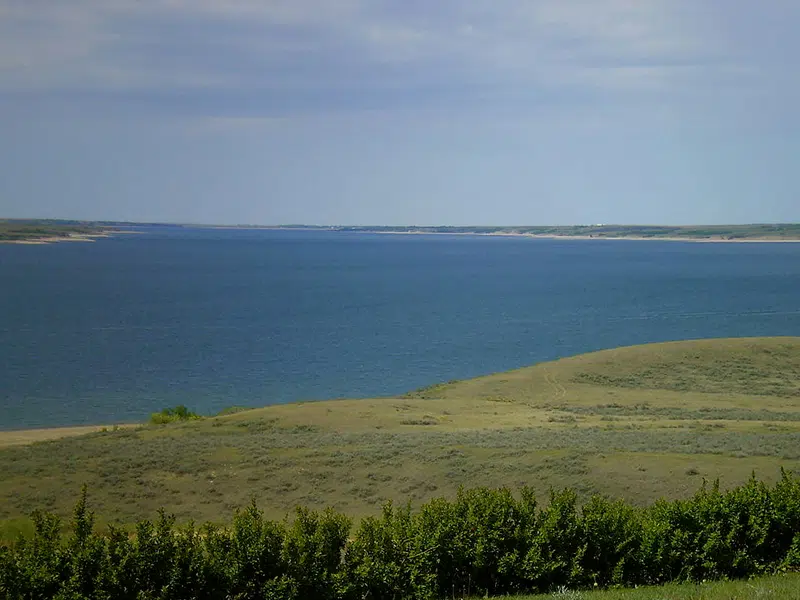
The area received late winter storms that helped improve moisture and water supply conditions however, runoff was below normal. Water levels in Lake Diefenbaker, while they have improved, remain below normal – to the point that the Riverhurst ferry is not running.
Yesterday the Province advised that the opening of the Riverhurst Ferry would be delayed this year because the water is too shallow to dock on the Riverhurst side of the crossing. The ferry can’t operate until water levels at Lake Diefenbaker rise and there is no current estimate for when the water will be deep enough to operate the ferry. The WSA says it is waiting to see how much of the alpine snowpack runoff arrives later this summer.
In the southeast, after two late winter storms, flows along the Souris River have peaked and are beginning to drop. WSA expects the Grant Devine reservoir will fill later in May at around the same time they have to meet their obligation to send water south of the border to the United States.
Melting of the snowpack in east-central Saskatchewan is essentially finished with the advent of seasonal temperatures. Some snow remains in the Porcupine Hills, the upper portions of the Assiniboine River Basin and northwest of Preeceville. Flows in some rivers in the area have peaked and were near or slightly above normal.
Flows along the Swan River are still rising and the WSA says additional rainfall such as what Hudson Bay and Deschambault Lake areas received over the past weekend, could mean higher water levels stay in place for longer that could lead to localized flooding.
Along the Qu’Appelle River system, the melt and runoff is largely complete. WSA has been making diversions into Last Mountain Lake to help bring it up to desirable summer operating levels. Crooked Lake is now at its desirable summer operating level and stoplogs will be installed to maintain it for the season.
In the north and into the Churchill Basin, the melt is in the early stages. The WSA says the amount of runoff will depend on a number of factors, including the speed of melt and the impact that additional snow or rain might have.